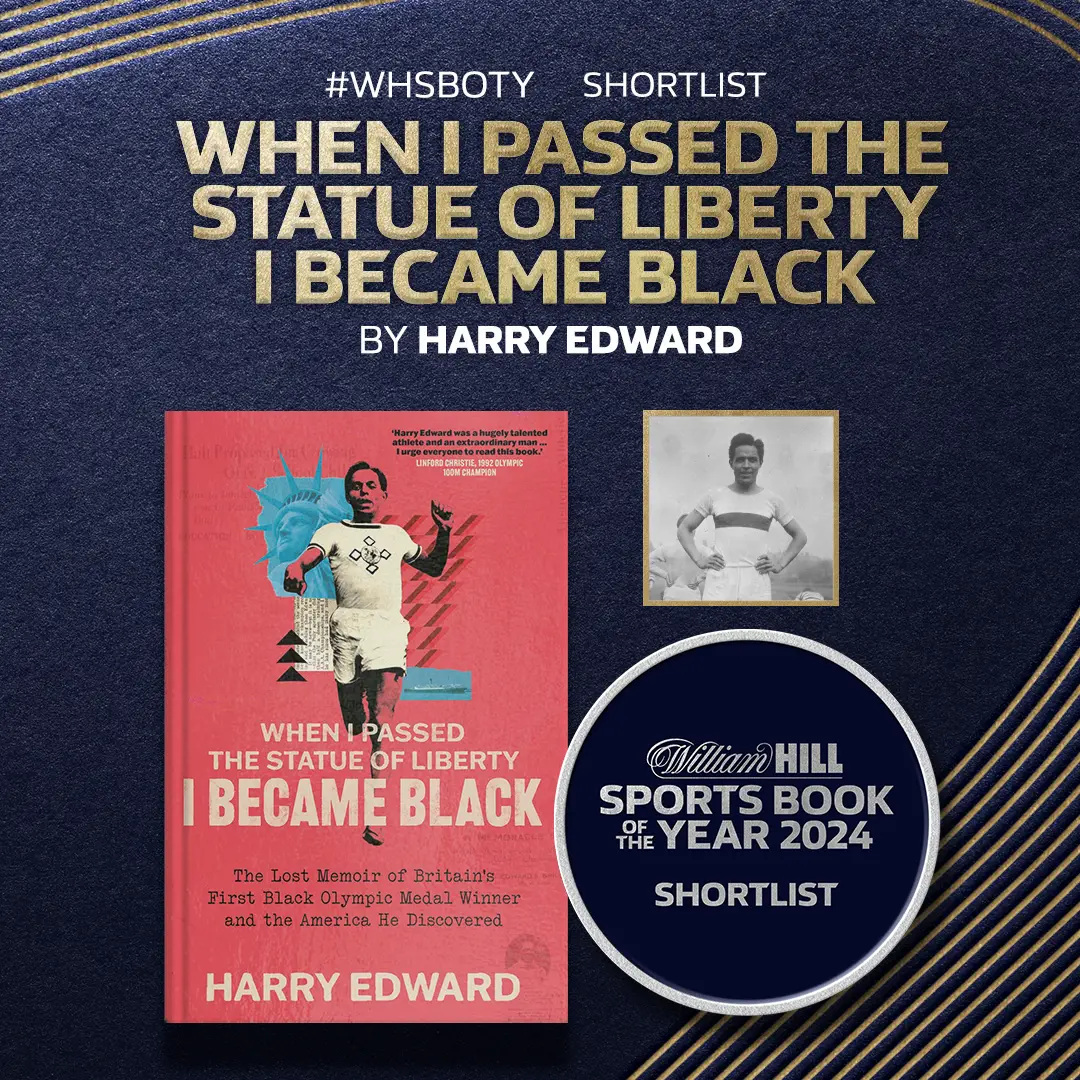
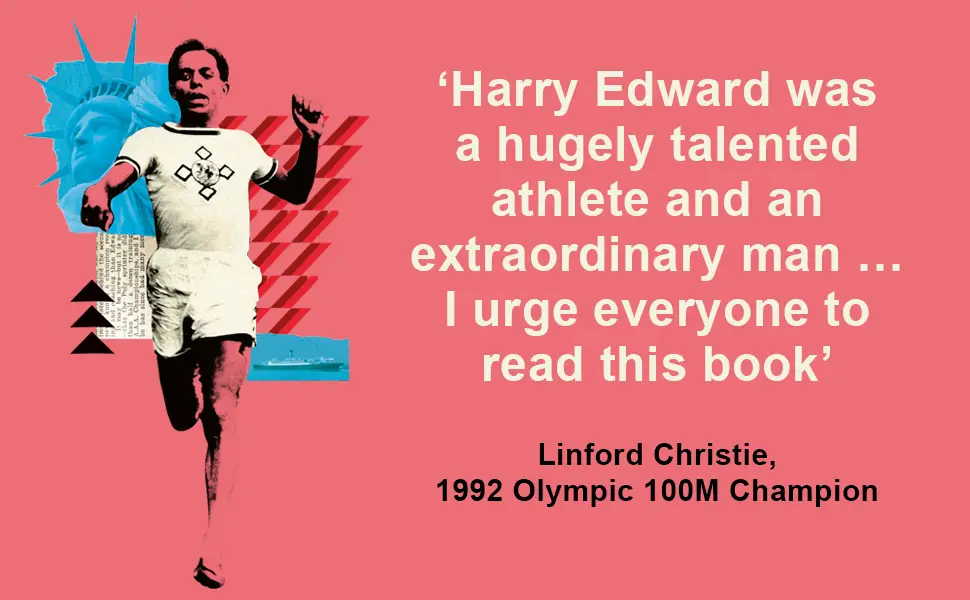
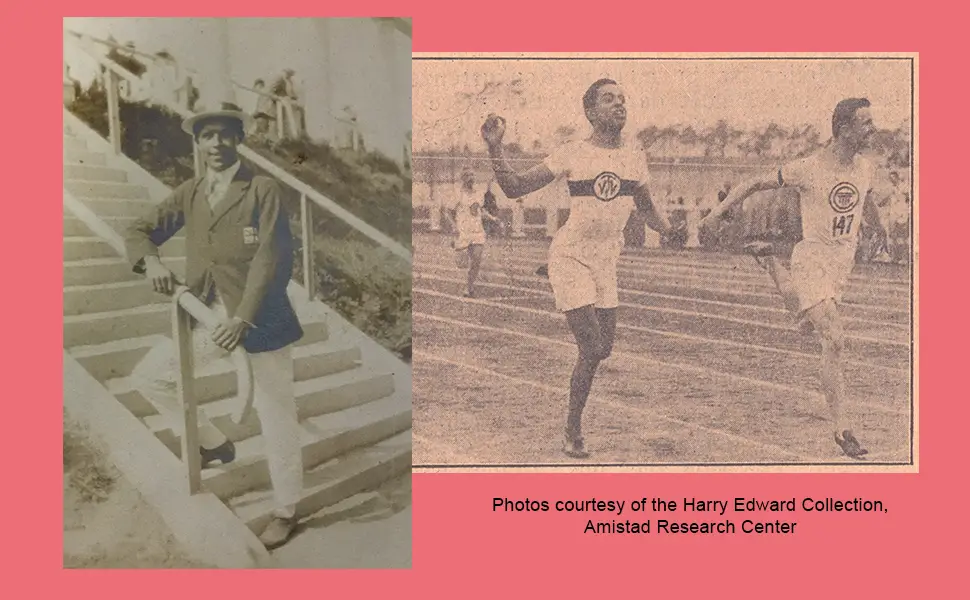
 While researching early Olympic medallists, the writer Neil Duncanson stumbled across the unpublished memoir of Harry Edward, a sprinter who won two bronzes for Britain in 1920. Born in Berlin to a Guyanese father and Prussian mother, Edward grew up happily in prewar Germany. Yet bit wasn’t until he emigrated to the US in 1923 that he ‘became black.’ Edward’s fidelity to ‘international sportsmanship and brotherhood’ propelled him into a lifetime of fascinating serendipities: beating Harold Abrahams (of Chariots of Fire fame) at the Olympics; being an ancillary to the Harlem renaissance; organising workers in 1930s New York; coordinating refugees for the UN in Greece after the Second World War, and again in 1950s Vietnam before completing, at 71, a master’s degree in international relations. Edward describes all this in prose that, while fiercely condemnatory of racism does not rely on the emotiveness of the subject. His manuscript was rejected by multiple publishers before his death in the 1970s. At last, his dignity and humanistic outlook are being shared with the world.’
Barney Horner, New Statesman
 ‘
‘
Harry Edward was a hugely talented athlete and an extraordinary man who fought all his life for justice and fairness in the face of repeated prejudice. His story is as powerful today as it was when he lived it and I urge everyone to read this book.’
Linford Christie, 1992 Olympic 100-metres champion
‘A fascinating historical document. Harry Edward had a sharp eye and ever-busy pen. Unfailingly frank, humorous, always dignified and empathetic, Edward describes a world in flux, as seen by a Black hero no one really knows about – and everyone should.’
Hugh Muir, The Guardian
‘Such a beautiful, engaging, fascinating book – and to think we had it here at the Amistad Research Center all this time. it is a wonderful contribution to the fields of sport and history. Kudos to Neil Duncanson for getting this memoir out into the world where it belongs.’
Lisa Moore, Amistad Research Center, New Orleans
‘America’s original twentieth-century everyman turns out to have been a Black Brit from Berlin by the name of Harry Edward. In the fairer world he fought for, his incredible life story would have been heard long ago. This book is his final, posthumous victory.’
Tom Peck, The Times
‘This is a fascinating discovery, a real jewel which yields so many invaluable insights into the life of the truly remarkable Harry Edward, an Olympian in the sporting arena and beyond.’
Philip Barker, Editor, Journal of Olympic History
‘This is an incredibly important and beautifully constructed tribute to a proper hero. We are incredibly proud of Edward at the University of Westminster (home to the Polytechnic Harriers) and indebted to Neil Duncanson for his extraordinary labour of love in seeing this book finally realised.’
Professor Guy Osborn, University of Westminster
‘The celebration of Britain’s first black Olympic medallist would merit its own narrative, but that was just the beginning of Harry Edward’s race through life. His story deserves to be told and his experiences should remind us all that we are all equal both in and out of the sporting arena.’
Steve Cram, former Olympic athlete and BBC athletics broadcaster